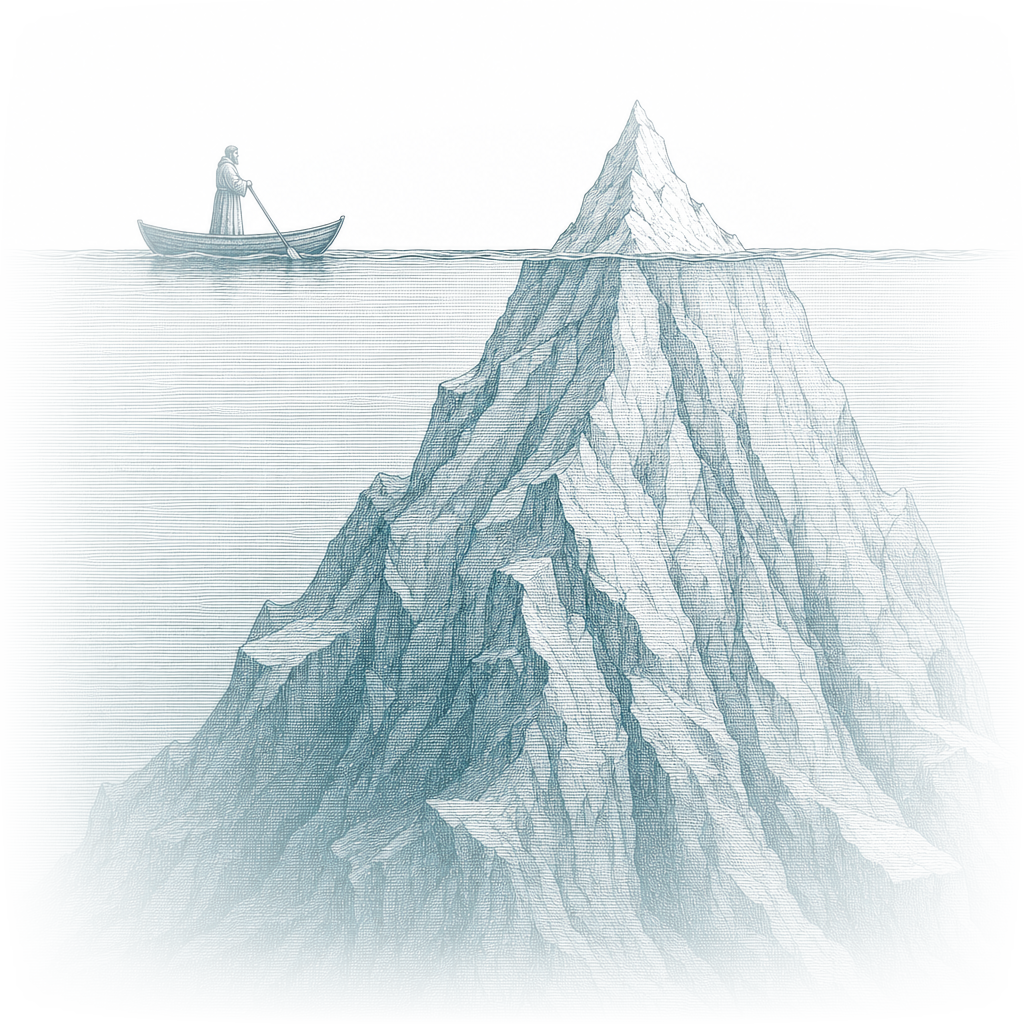
Nearly 140 years ago, Nietzsche predicted the way we would think in 2026.
A close reading of Beyond Good and Evil is a profound and unsettling experience. When we undertake the challenging study of a philosophical text, we build an understanding of how worlds in thought are constructed and what is at stake when they fall apart. This forces us to confront our own thought process and offers us tools to grapple with the revelation that there are alternative ways to construct the world. This capacity in turn gives us hope that we can resolve dysfunctional paradigms by building new ones.